
Monitor Bearing Health 24/7 to Detect Wear and Plan Your Maintenance
Use real-time condition monitoring to detect bearing wear and lubrication issues. Get specific repair recommendations and severity ratings so your team can plan maintenance on your own terms.
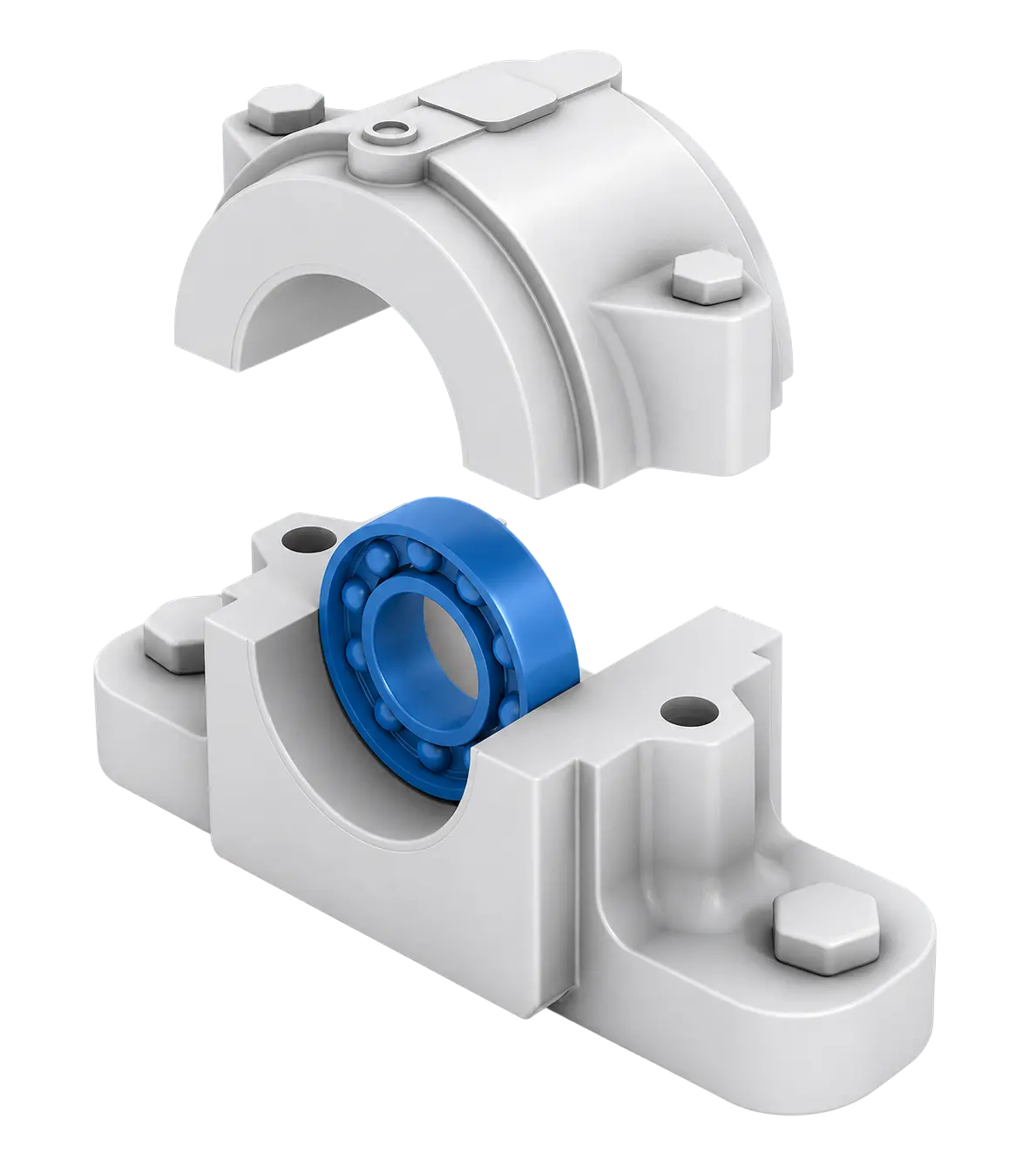
Fault types detected by our bearing monitoring systems
We continuously monitor your bearings to provide prescriptive guidance on what to fix and when, including specific root cause analysis and severity assessments for every detected fault.
- Abnormal ultrasound emissions
- Abnormal vibration emissions
- Axial unbalance
- Bearing lubrication issues
- Bearing wear
- Beat frequency
- Blade pass frequency
- High vibration relative to baseline
- Impacting
- Misalignment
- Rotating mechanical looseness
- Rubbing/friction
- Significant change in vibrations
- Worn/defective coupling
Augury’s impact on bearing reliability
View our complete customer success stories- 480 hoursPrevented downtimeAugury’s AI monitoring detected increased vibration in a CPG manufacturer’s extruder, indicating a bearing failure. By replacing the faulty bearings before they reached failure, the team avoided 480 hours of unplanned downtime on a critical production line.
- $350KThroughput losses avoidedAugury identified bearing wear and lubrication issues in two waste blowers for a leading chemical manufacturer. This early detection allowed for a planned repair, preventing fan shaft damage and saving over $350,000 in potential throughput losses.
From reactive bearing maintenance to prescriptive action
Shifting from traditional manual rounds to an AI-driven bearing condition monitoring system provides your team with the technical oversight needed to resolve faults before they cause secondary damage to shafts or housings.
Before
- Route-based manual inspections
- Emergency bearing replacements
- Collateral damage to shafts or housings
- “Grease-by-calendar” schedules
- High-risk manual checks in tight spaces
After implementing Augury
- 24/7 bearing condition monitoring
- Scheduled repairs during planned windows
- Extended asset lifecycle
- Lubrication based on actual friction levels
- Remote monitoring of hard-to-reach assets
FAQs
-
Yes. Surface degradation and poor lubrication increase asset friction, forcing motors to draw higher amperage to maintain the required RPM. By using bearing condition monitoring systems to detect these early warning signs of faults, you can address equipment issues before they increase your plant’s energy consumption. This continuous oversight helps keep your rotating assets operating at peak efficiency, directly supporting your facility’s goals to reduce loss, waste, and emissions.
-
When the AI identifies a bearing anomaly, Augury’s certified CAT III and IV vibration analysts verify the finding to provide you with an extra layer of technical certainty. This expert-validated approach ensures your maintenance and reliability team receives accurate diagnostics that explain exactly what is wrong and how to fix it, from lubrication-related defects to misalignment.
-
A predictive bearing wear monitoring system gives you weeks of lead time for repairs by catching faults before they become serious. With this early warning, your team can minimize “reactive firefighting” emergencies and start planning fixes during planned downtime.
Real-time machine health data lets you track wear as it happens and order the right parts ahead of time, so you avoid costly rush orders and make sure repairs happen only when your equipment truly needs them.
-
Yes. We prioritize interoperability-as-a-service by integrating directly with your existing CMMS, EAM, and enterprise platforms such as SAP, Maximo, or Microsoft Azure. These integrations ensure that prescriptive insights automatically trigger the right work orders and maintenance workflows in the tools your team already uses.
See how we work with Augury partners to create a connected reliability ecosystem.