
$30k+ in costs avoided. 30+ hours of downtime prevented. 93% alert response rate. Here’s how a six-person team at DFA’s Middlebury Center plant made it happen.
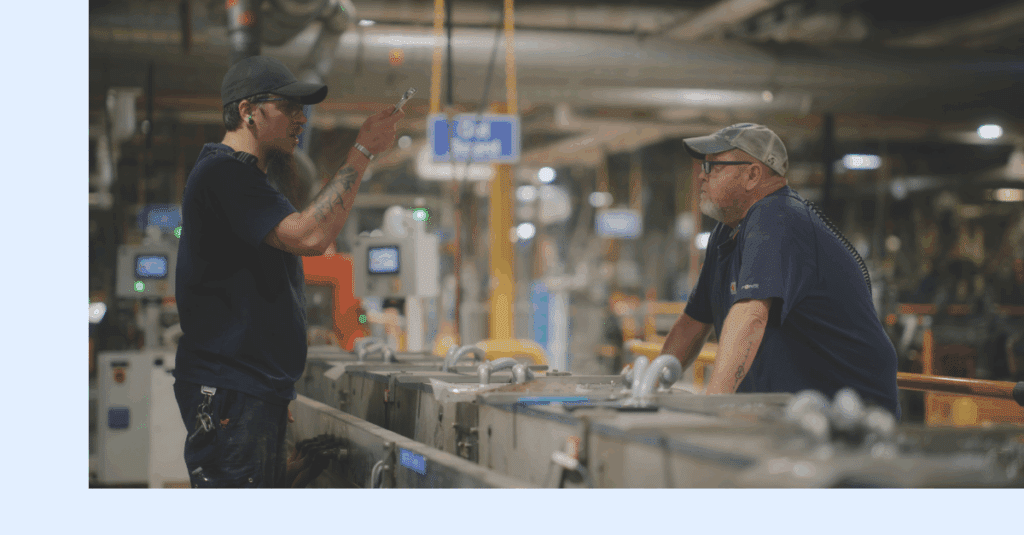
Nate Logan knows what a failing machine sounds like.
After years of working in dairy production at DFA‘s Middlebury Center in Pennsylvania, he developed the kind of instincts that only come from truly listening to equipment run. A pitch change on a motor. A slight shift in a fan’s hum. “You get so used to how everything ran,” he says. “When you notice a tone change, you start looking.”
It worked. Until it didn’t.
The problem with listening for problems is that by the time you can hear them, you’re already reacting. Middlebury Center runs around the clock, processing raw milk into condensed milk, cream, and dried powder for customers nationwide. Reacting to equipment failures isn’t just stressful. It means emergency repairs, unplanned downtime, and production schedules thrown into chaos.
Nate and his team of six knew there had to be a better way to see what was coming.
The moment that changed the approach
The turning point came when team member Dustin Wheatley attended an industry training event and came back with a question: What if we could monitor all our equipment, not just the assets we already knew were problems?
That question led to a conversation with a DFA corporate engineer who had firsthand experience with predictive maintenance and strongly recommended it. The team agreed it was worth pursuing, and they moved forward with condition monitoring across their rotating equipment: dryers, condensers, separators, and fans.
What happened next wasn’t exactly comfortable.
It was super overwhelming in the beginning. Once we got them put on, almost all of our equipment was coming back in alarm or danger. It was like, wait, how are you supposed to handle all of this?
That wave of alerts is one of the most common barriers maintenance teams face when they expand machine coverage for the first time. The data isn’t lying. It’s just telling you the truth all at once.
Coverage gives you proof, not just warnings
The dryer intake fan became the moment of conversion.
For years, the team had repeatedly replaced bearings and shafts on that fan without ever fully resolving the problem. It kept failing. With broader monitoring in place and vibration monitoring data to guide them, they were finally able to see what was actually wrong: the fan wasn’t being aligned properly. Once they had the right tools and the right data, they fixed it correctly.
“I think that was the first one that truly made me a believer,” Nate says.
But the bigger shift wasn’t about any single asset. It was about what comprehensive coverage made possible at the program level.
Before, the team ran PM schedules but without visibility into what was actually happening inside the machines. After building out full machine coverage, they could verify that every repair they made actually improved equipment health, and go back and address it if it didn’t.
“Before Augury, when we fixed something, we were hoping it was done right,” Nate explains. “Now we can see the difference repairs make in real-time. If something didn’t improve, we go back and address it.”
That kind of feedback loop is what turns maintenance from a cost center into a reliability engine.
From Firefighting to Planning
Plant Manager Jeff Bacon describes the operational impact simply: “Augury gives us a predictor of major repairs coming up. We get to do a lot more planning ahead of time instead of planning after something fails. That’s been the huge win: coordinating between production and maintenance before equipment actually breaks.”
For a facility like Middlebury Center, that coordination matters more than most. Because when any one of DFA’s more than 80 plants experiences a breakdown, overflow milk gets rerouted fast. Middlebury Center absorbs that volume. As Production Manager Eric Milholland puts it, “Another plant breaks down and that milk comes here. It’s a quick change of pace.” A maintenance surprise at the wrong moment doesn’t just affect the Middlebury team. It cascades.
With coverage now in place across critical assets, Milholland’s production team can build schedules around planned maintenance windows rather than scrambling around unexpected failures.
The result: a model for the whole network
DFA’s Middlebury Center earned the Augury Spotlight Award for Maintenance & Reliability Excellence two years in a row, recognition given to the top 5% of facilities based on alert response, team adoption, technical infrastructure, and measurable results.
The numbers tell part of the story: $30k+ in costs avoided, 30+ hours of downtime prevented, and a 93% team alert response rate.
But the organizational impact reaches further. Stephen Heinzmann, Senior Director of Operations overseeing eight DFA powder, cheese, and flavor facilities, now points to Middlebury Center when other plants hesitate to trust the technology. “Look at all the preventative things it’s saved us, all the unplanned downtime. They buy into it 100%.”
That kind of credibility can’t be manufactured. It’s built repair by repair, over two years of showing up and doing the work. Corporate leadership now points to Middlebury Center as proof that investing in plant reliability pays off at scale.
What a small team with full coverage can accomplish
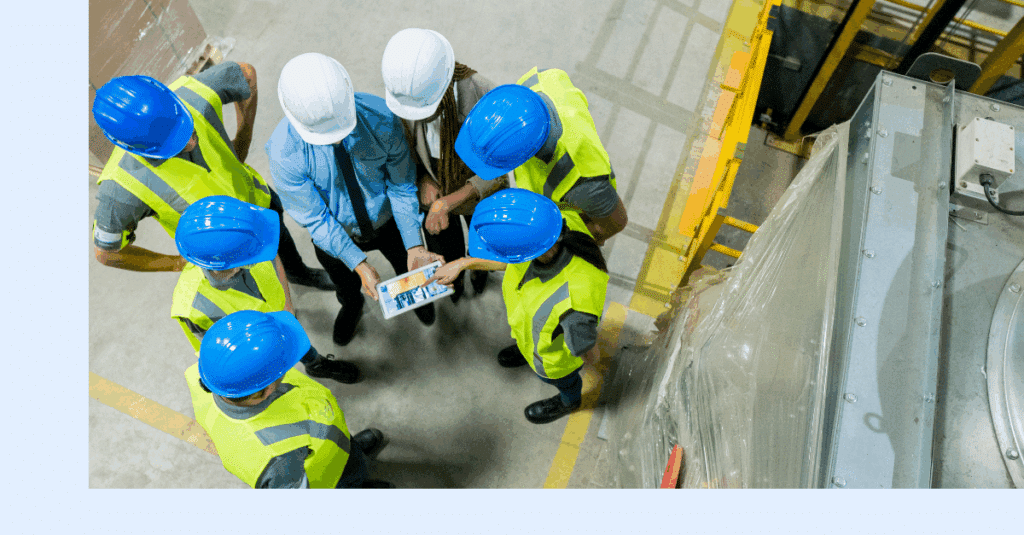
Six people working around the clock, seven days a week. That’s the Middlebury maintenance team. And for maintenance leaders wondering whether the investment in broader coverage is worth it, Nate’s answer is direct: “It’s been super beneficial, super helpful. It’s saved us a bunch of unplanned downtime.”
The pitch of a motor can tell you something’s wrong. But coverage tells you what, why, how to fix it, and most importantly, before it fails.
That’s the difference between listening for problems and actually improving machine reliability over time.
See how leading manufacturers expand monitoring coverage strategically:
Explore case studies and Spotlight Awards winners to discover the best practices for scaling condition monitoring programs while growing production output.