
November 11 is Veterans Day in the United States. This year, we sat down with three Augury leaders who bring military experience to their roles: CEO Elan Greenberg (U.S. Marines), CRO Brian Germain (U.S. Army), and Director of Supply Chain & Procurement Roy Weiser (Israeli Defense Forces).
The parallels between military service and manufacturing are clear: discipline, mission focus, preventing failures. As veterans leading at Augury, Elan, Brian, and Roy see these connections daily.
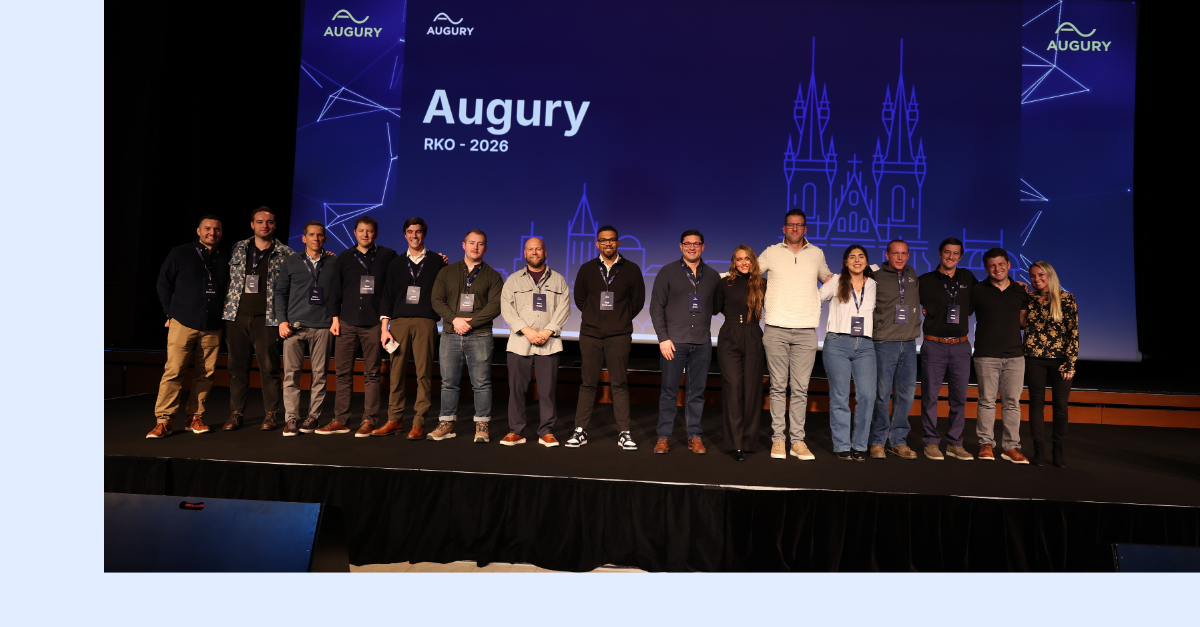
Military service is embedded in Augury’s DNA. Nearly half our team is based in Israel, where service is universal, with strong veteran representation across U.S. operations, too. Their military experience shapes how we work, solve problems, and show up for customers.
We asked them about their service, the lessons that shaped their leadership, and why veterans are such a natural fit for manufacturing careers.
Service Stories
Elan, you served in the U.S. Marines for 15 years, first on active duty and then in the reserves. Tell us about your service.
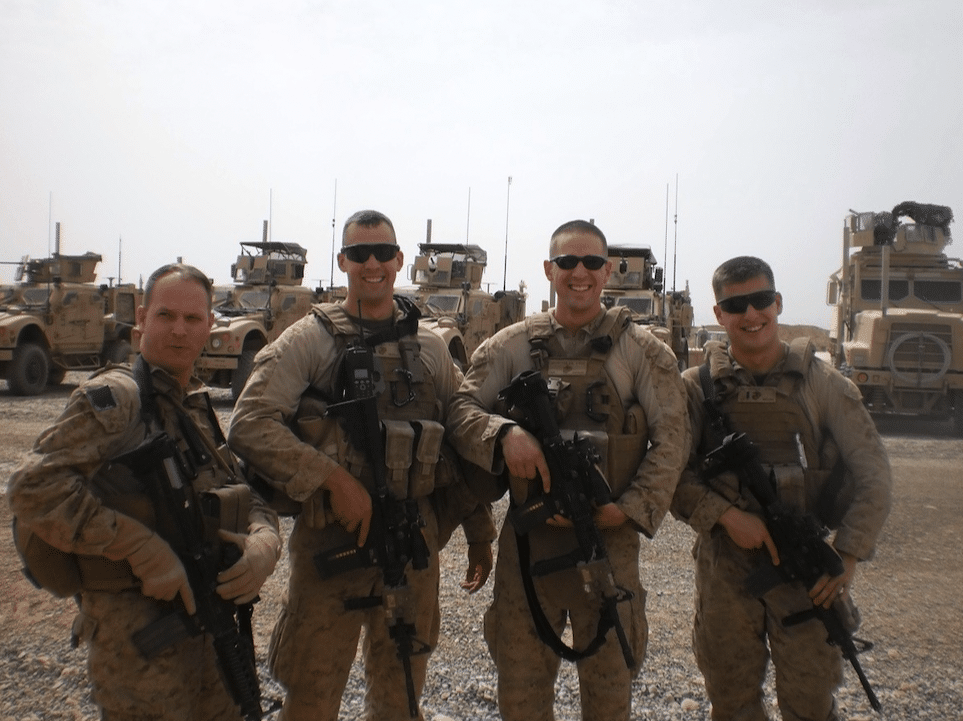
Elan: I joined the military after 9/11. The Marines helped me attend college through the NROTC program. After graduation and commissioning, I served as a Logistics Officer on active duty.
I deployed to Afghanistan in 2010 at the height of the war. Our battalion worked closely with local security forces to protect and stabilize the Nawa District in Helmand Province. When I returned home, I helped recruit and train officer candidates. Later, as a reservist, I supported multinational exercises with the Korean and Japanese militaries.
One moment that stands out about my service came during training. After hours of digging a fighting position, I was told to move it just a few meters away. I was frustrated and didn’t handle it well. My commander reminded me that for Marines on the line, the “juice often doesn’t feel worth the squeeze,” but it’s the commander’s job to make the necessary call.
Leaders make necessary decisions that may not be immediately understood by those who execute them. It takes maturity to trust that leaders may see value beyond one’s own perspective, even when decisions seem frustrating or arbitrary.
Later on, when a helicopter was shot down in a remote area, several Marines in our battalion sprinted through dangerous territory to secure the site. They didn’t wait for permission. That instinct to run toward danger at great personal risk is something I’ll never forget.
In challenging times for our country, I’m grateful to have had the chance to serve with such remarkable people.
Brian, tell us about your Army service.
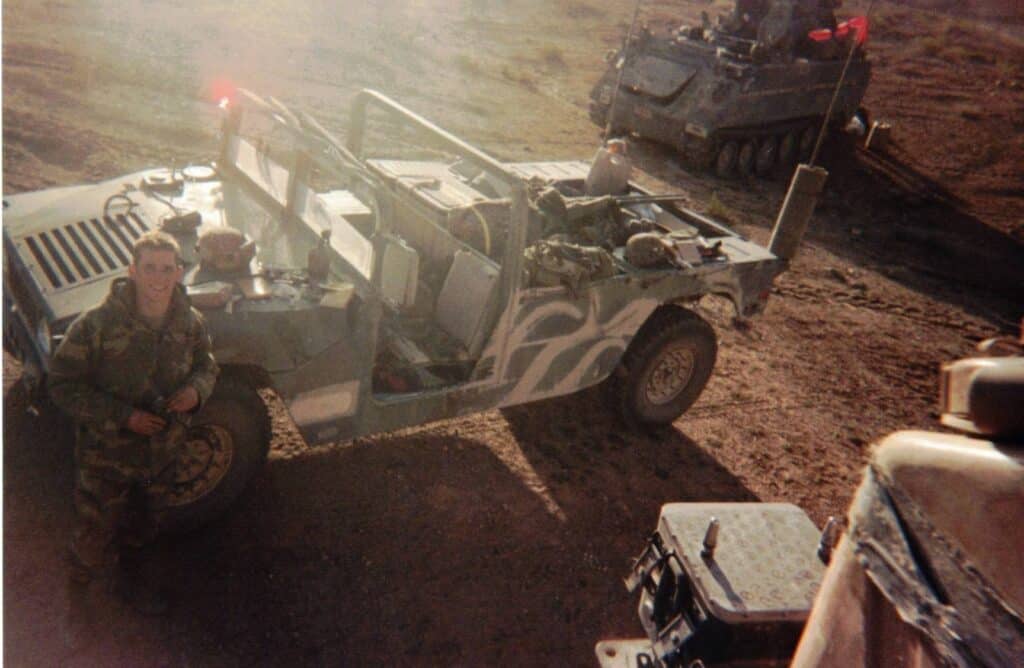
Brian: After high school, I served as an Armor Crewman on an M1A1 Abrams Tank. Being an armor crewman means operating a highly complex machine and rotating through various roles, including driver, loader, and gunner. Success depends on the crew operating as one seamless unit. That constant exposure to a disciplined, high-speed environment, where every person’s contribution is essential, left a lasting impression.
Roy, tell us about your service in the Israeli Defense Forces.
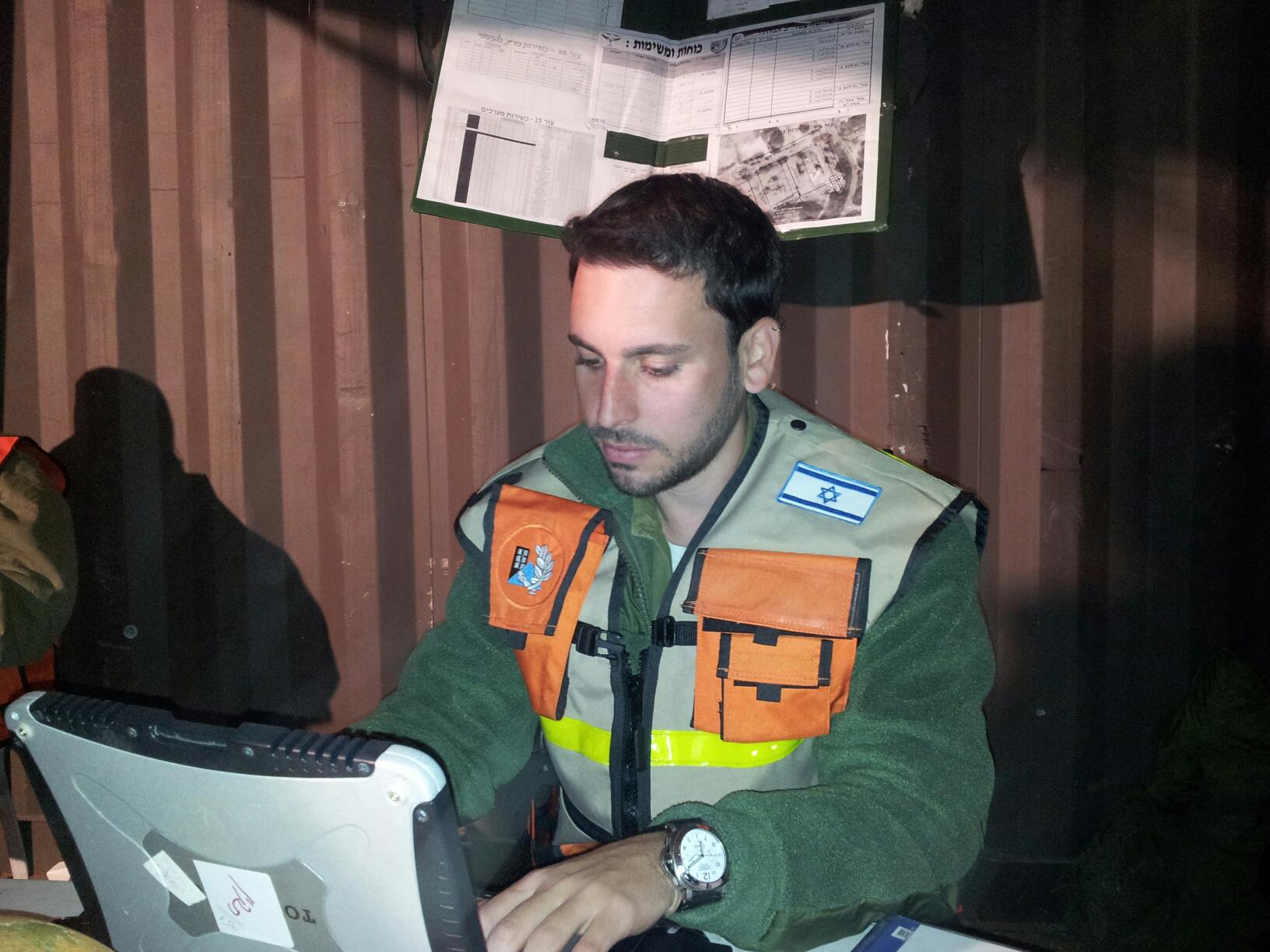
Roy: In Israel, military service is mandatory after high school. At 18, I joined the Israeli Navy as a crew member and combat operator on Dvora-class patrol boats—fast, heavily armed vessels that patrol Israel’s coastline. After officer training, I served as a logistics officer.
I spent five years on active duty and have continued to serve in the reserves for over 13 years.
Lessons in Leadership
How did your military experience shape your approach to leadership?
Elan: Serving in the Marines shaped everything for me. Active duty tests you constantly – physically, mentally, and emotionally. It reinforced one thing: it’s never about you. As a leader, your purpose is to serve others and help the team do its best work.
Brian: The military is a masterclass in dependability and urgency. We were trained to do what you said you would do, because mission success depended on it. With Augury’s customers, who rely on our solution to protect their most critical assets, that value is paramount. This dependability builds the trust that defines our best partnerships.
What’s one lesson from your service that you still apply every day?
Elan: Lead from the front. You have to be visible and share hardships with others. With our customers, that means getting on-site and understanding their challenges firsthand. With our global teams, it means spending meaningful time in our offices. With our builders and sellers, it means doing the work right alongside them.
Roy: Logistics is the foundation of success. When logistics are solid, the team can focus on the mission. When it breaks down, it becomes everyone’s problem. I try to create that stability, giving my teams confidence that the operational backbone is reliable.
Veterans at Augury
What do veterans bring to Augury’s company culture?
Elan: At Augury, the concentration of veterans is exceptionally high, particularly in Israel, where military service is mandatory. Following the horrific events of October 7, many of our colleagues were called to active service or had family members on the front lines.
These experiences highlight how military values like professionalism, discipline, camaraderie, and personal responsibility shape our work culture. In times of crisis or when challenges arise, we see everyone’s training come to life. In addition to their skills, veterans bring the understanding that the mission is bigger than any one individual.
We’re grateful to all our U.S.-based veterans at Augury, including Nate Eckman, Clifton Green, Frank Klaus, Christopher Morrison, Nhan Nguyen, and Andrew Pry, for their service.
Veterans in Manufacturing
Almost every manufacturing plant has veterans on the floor. What stands out to you about working with them?
Elan: You can spot veterans immediately. They take ownership, communicate directly, and have an easy rapport with their teams. They think about today’s work but also tomorrow’s potential. They’re not afraid of hard things, and they treat their team’s performance as a reflection of themselves.
What parallels do you see between military service and the work maintenance and reliability teams do in manufacturing?
Elan: What’s often overlooked about the military is how mechanical it is. Whether you’re an infantryman, pilot, or truck driver, you’re responsible for equipment and keeping it mission-capable every day. Factories operate the same way. Broken equipment or unplanned downtime can derail the mission. Augury helps teams predict and prevent issues before they jeopardize the factory’s mission.
Brian: In the military, you’re taught to analyze a situation, understand the risks, and execute where failure is not an option. Manufacturing leaders face this daily. With Augury, we transition customers from reactive “firefighting” to proactive planning, using AI diagnostics to predict failure points and inform strategic maintenance actions.
Roy: I’ve learned to stay calm under pressure, balancing mission goals with team well-being. In manufacturing, disruptions can halt production and incur significant costs. I always assume something will go wrong and create systems to manage potential issues.
Why are veterans so well-suited for careers in manufacturing?
Elan: They understand that success comes from great people and teamwork. They understand which tools and strategies to deploy at the right time. In both the military and manufacturing, there’s satisfaction from knowing you did something that matters.
Brian: Veterans bring an inherent mission focus. They’ve maintained complex equipment where discipline and process were critical. When a veteran sits down with a manufacturing leader, they immediately understand the gravity of uptime, safety, and reliability.
Advice for Manufacturers
What would you say to manufacturing companies looking to hire veterans?
Brian: You’re gaining mission-ready individuals who have mastered leadership, discipline, and problem-solving. They understand mission-critical stakes. That’s how they kept multi-million-dollar equipment running in challenging environments.
Roy: Veterans are one of the most underutilized assets in our industry. They come with real-world experience managing complex operations under extreme conditions, where the margin for error is zero. Hiring a veteran isn’t just about thanking them for their service; it’s a smart business decision. They bring discipline, adaptability, and a mission-driven mindset that helps stabilize operations. That’s exactly the mindset manufacturing needs to stay competitive.
What Veterans Day Means
What does Veterans Day mean to you personally?
Elan: It’s a reminder of the incredible people I served with and the commitment they brought to everything they did.
Roy: Veterans Day has a special meaning for me now that I live in the United States. In Israel, nearly everyone serves in the military, so service is part of daily life. I’m inspired by seeing how Americans honor those who choose to serve their country.
Brian: Veterans Day is an important chance to reflect on a profoundly influential period of my life and remember the incredible people I served alongside. More broadly, it’s an opportunity to show appreciation for everyone who has served our country and create an environment that encourages the next generation to consider a career in service.
More veteran stories: In our Manufacturing Meetup podcast, former Marine Corps communications tech Chris Morrison shares his journey from managing jamming systems in Afghanistan to the plant floor, and why veterans are the solution to manufacturing’s skills gap. Listen to Marines to Manufacturing: Military Skills That Fill the Labor Gap.
Interested in joining a mission-driven team? Explore career opportunities at Augury.